
Chlamydia is one of the most common sexually transmitted infections (STIs) worldwide — and the good news is, it’s completely curable with the right antibiotic.
Among all the treatment options available, Azithromycin is one of the most commonly prescribed and effective medications for chlamydia.
In this article, we’ll explain how Azithromycin works, what the recommended dosage is, how long it takes to work, and what you should avoid during treatment.
What Is Chlamydia?
Chlamydia is an infection caused by the bacterium Chlamydia trachomatis.
It spreads primarily through sexual contact — vaginal, oral, or anal — with an infected person.
Because it often causes no symptoms, many people don’t even realize they have it. However, if left untreated, chlamydia can lead to serious complications, such as:
Increased risk of HIV transmission
Pelvic inflammatory disease (PID) in women
Infertility in both men and women
Epididymitis (testicular infection) in men
Increased risk of HIV transmission
What Is Azithromycin?
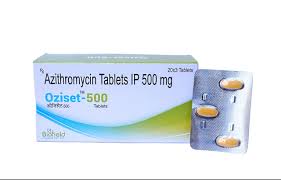
Azithromycin is a macrolide antibiotic used to treat a variety of bacterial infections.
It works by preventing bacteria from growing and multiplying, allowing the body’s immune system to eliminate the infection.
It’s sold under brand names like Zithromax or Azithrocin and is available in tablet, capsule, and liquid forms.
Azithromycin has a long half-life, which means it stays in your system for an extended time — allowing for shorter treatment durations compared to many other antibiotics.
Why Is Azithromycin Used for Chlamydia?
Azithromycin is preferred for chlamydia treatment because:
- It’s highly effective, curing more than 95% of cases.
- It requires a simple single-dose treatment (unlike other antibiotics that need multiple doses for a week).
- It’s well tolerated, with relatively few side effects.
- It’s safe for people who are allergic to penicillin.
Because of its convenience and effectiveness, Azithromycin is a first-line treatment recommended by organizations like the Centers for Disease Control and Prevention (CDC).
Azithromycin Dosage for Chlamydia
The standard recommended dose for treating uncomplicated chlamydia infection is:
1 gram (1000 mg) of Azithromycin taken orally in a single dose.
This means you take two 500 mg tablets (or four 250 mg tablets) at once.
The one-time dosage makes it easier for patients to complete treatment — ensuring better adherence and fewer missed doses.
How Does Azithromycin Work Against Chlamydia?
Azithromycin targets the bacteria responsible for the infection by:
- Entering bacterial cells and binding to their ribosomes.
- Blocking protein synthesis — which stops bacterial growth.
- Preventing bacteria from multiplying, allowing your immune system to clear them out.
Because of its long action in the body, it continues to work for several days after the single dose.
How Long Does Azithromycin Take to Work?
After taking Azithromycin, it begins to work within a few hours.
However, it can take 7 days for the infection to clear completely.
That’s why doctors recommend:
- Avoiding sexual contact for at least 7 days after treatment.
- Ensuring your sexual partner(s) are also treated to prevent reinfection.
If symptoms persist after two weeks, your doctor might recommend a test of cure (a repeat test to confirm that the infection is gone).
Azithromycin vs. Doxycycline for Chlamydia
In recent years, Doxycycline has also become a preferred option for treating chlamydia. Let’s compare the two:
| Medication | Dosage | Duration | Effectiveness | Notes |
| Azithromycin | 1 g single dose | 1 day | ~95% | Easier to take; good for those likely to miss doses |
| Doxycycline | 100 mg twice daily | 7 days | ~98% | Slightly higher cure rate, but requires full 7-day adherence |
While Doxycycline may show slightly higher success rates, Azithromycin remains the top choice for people who prefer single-dose convenience or can’t tolerate Doxycycline.
Can Azithromycin Be Taken During Pregnancy?
Yes.
Azithromycin is considered safe during pregnancy and is often prescribed as the first choice for pregnant women with chlamydia.
Pregnant women should never use Doxycycline, as it can harm the baby’s developing bones and teeth.
Always take Azithromycin under your doctor’s supervision to ensure proper dosing and follow-up testing.
What Happens If You Drink Alcohol After Taking Azithromycin?
While Azithromycin and alcohol don’t cause dangerous interactions, it’s still best to avoid alcohol during treatment.
Alcohol can:
- Delay your body’s recovery
- Worsen side effects like nausea or stomach upset
- Reduce the immune system’s effectiveness
So, skip the drinks until you’ve completed treatment and feel fully recovered.
Common Side Effects of Azithromycin
Most people tolerate Azithromycin well, but some may experience mild side effects such as:
- Nausea or stomach cramps
- Diarrhea
- Headache
- Fatigue or mild dizziness
Rare but serious reactions include:
- Allergic rash or itching
- Liver problems (jaundice, dark urine)
- Irregular heartbeat
If you notice severe reactions or persistent diarrhea, contact your doctor immediately.
What If the Infection Doesn’t Go Away?
If symptoms continue even after completing Azithromycin treatment, your doctor may:
- Re-test you for chlamydia after 3–4 weeks.
- Check for re-infection (you may have been infected again from an untreated partner).
- Prescribe an alternative antibiotic like Doxycycline or Levofloxacin.
Never re-take leftover Azithromycin on your own — always get tested and follow professional guidance.
Preventing Future Chlamydia Infections
Treatment is just one part of managing chlamydia — prevention is equally important.
Here are key tips to stay safe:
- Use condoms consistently and correctly.
- Get tested regularly if you’re sexually active.
- Ensure your partner(s) are also tested and treated.
- Avoid sexual activity until all partners complete their antibiotic course.
When to See a Doctor
You should consult a doctor if:
- You experience unusual discharge, pain, or burning during urination.
- You’ve had unprotected sex and suspect exposure to an STI.
- You’ve been diagnosed with chlamydia before and want to ensure it’s fully cleared.
- You’re pregnant or planning to become pregnant.
Key Takeaways
- Azithromycin is a first-line antibiotic for treating chlamydia infections.
- The standard dose is 1 gram taken once by mouth.
- Avoid sex for 7 days after treatment and ensure all partners are treated.
- It’s safe during pregnancy and generally well tolerated.
- Always complete follow-up testing if symptoms persist.
Conclusion
Azithromycin has transformed the treatment of chlamydia by offering a simple, one-dose cure that’s both safe and effective.
When taken correctly — and combined with responsible prevention practices — it eliminates infection and prevents long-term complications like infertility or PID.
If you suspect you have chlamydia or were exposed to it, don’t delay testing or treatment. With Azithromycin, recovery is fast, simple, and completely achievable — ensuring your sexual health stays protected.
