
Introduction
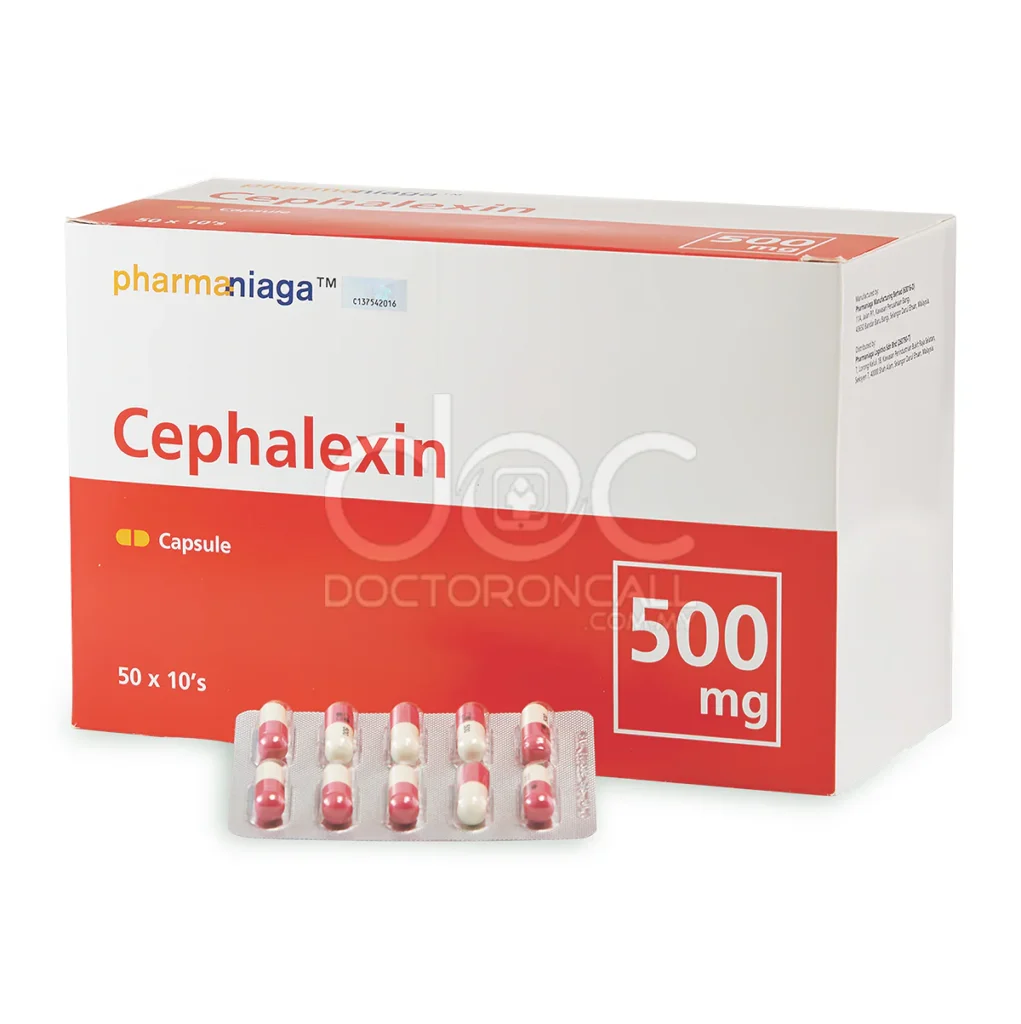
Cephalexin (brand name: Keflex) is a first-generation cephalosporin antibiotic used to treat various bacterial infections in children — including ear infections (otitis media), throat infections, skin infections, and urinary tract infections (UTIs).
It works by stopping the growth of bacteria, helping your child recover safely and effectively.
One of the most common pediatric forms is the oral suspension — Cephalexin 250 mg per 5 mL.

How the Pediatric Dosage Is Calculated
The correct dose of Cephalexin for children depends on:
- The child’s weight (in kilograms)
- The type and severity of the infection
- The doctor’s clinical judgment
Standard pediatric dosage:
25–50 mg per kilogram (mg/kg) per day, divided into doses every 6–12 hours.
For severe infections, doses may go up to 100 mg/kg/day.
Cephalexin 250 mg/5 mL Suspension Dosage Chart (by Weight)
| Child’s Weight | Mild–Moderate Infection (25 mg/kg/day) | Severe Infection (50 mg/kg/day) | How to Give (Divided) |
|---|---|---|---|
| 10 kg (22 lb) | 5 mL every 12 hours | 5 mL every 6 hours | 2–4 doses daily |
| 15 kg (33 lb) | 7.5 mL every 12 hours | 7.5 mL every 6 hours | 2–4 doses daily |
| 20 kg (44 lb) | 10 mL every 12 hours | 10 mL every 6 hours | 2–4 doses daily |
| 25 kg (55 lb) | 12.5 mL every 12 hours | 12.5 mL every 6 hours | 2–4 doses daily |
| 30 kg (66 lb) | 15 mL every 12 hours | 15 mL every 6 hours | 2–4 doses daily |
| 40 kg (88 lb) | 20 mL every 12 hours | 20 mL every 6 hours | 2–4 doses daily |
Always measure doses using a medical syringe or dosing cup for accuracy — never use a household spoon.
Important Administration Tips
- Shake the bottle well before each dose to ensure even medication distribution.
- Give the dose with or without food — but food may help prevent stomach upset.
- Refrigerate the suspension; it remains stable for 14 days after reconstitution.
- Discard any unused medication after 14 days.
- Complete the entire course even if your child feels better — stopping early can cause the infection to return.
Common Conditions Treated
- Tonsillitis and Pharyngitis (Strep throat)
- Otitis Media (Ear infection)
- Skin and soft tissue infections
- Bone infections (Osteomyelitis)
- Urinary Tract Infections (UTIs)
- Respiratory Tract Infections
Side Effects in Children
Common (usually mild):
- Diarrhea
- Upset stomach
- Nausea or vomiting
- Rash
Serious (seek medical attention immediately):
- Severe diarrhea (possible Clostridioides difficile infection)
- Allergic reaction (rash, swelling, breathing difficulty)
- Jaundice (yellowing of eyes or skin)
When NOT to Use Cephalexin
Avoid Cephalexin or use with caution if your child:
- Is allergic to cephalosporins or penicillin
- Has a history of severe allergic reactions
- Suffers from kidney disease (dose adjustment may be required)
Missed Dose
If you miss a dose:
- Give it as soon as you remember.
- If it’s almost time for the next dose, skip the missed one — do not double up.
External References
- FDA – Cephalexin Prescribing Information
- MedlinePlus – Cephalexin Oral Suspension
- American Academy of Pediatrics – Cephalosporin Dosing Guidelines
- Drugs.com – Cephalexin Dosage Guide
How often should I give Cephalexin to my child?
Usually every 6 or 12 hours, depending on your child’s condition and doctor’s instructions.
Can I mix Cephalexin with juice or milk?
Yes, you can mix it with a small amount of juice or milk to mask the taste, but your child should consume it immediately
How long does it take for Cephalexin to work?
Most children start feeling better within 2–3 days, but the full course (usually 7–14 days) must be completed.
Conclusion
Cephalexin 250 mg/5 mL suspension is a safe and effective antibiotic for most childhood bacterial infections when used correctly.
Always base the dose on your child’s weight and doctor’s advice, use accurate measuring tools, and ensure the entire antibiotic course is completed.
Proper dosing and adherence not only ensure full recovery but also help prevent antibiotic resistance — keeping your child healthy and infection-free.
