
Introduction
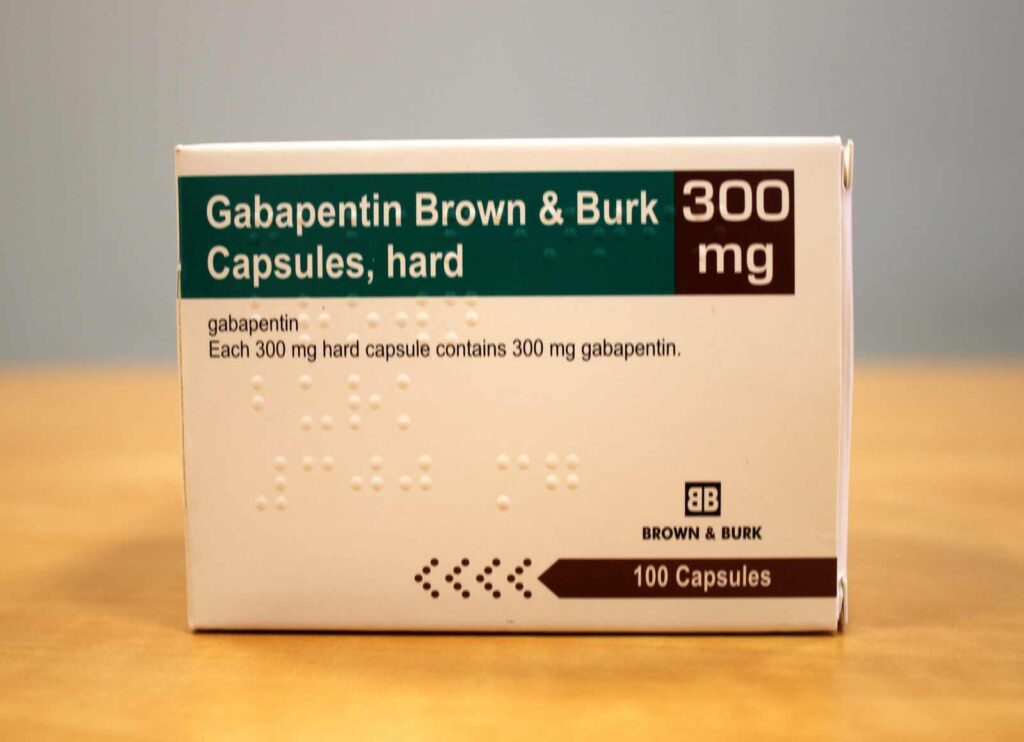
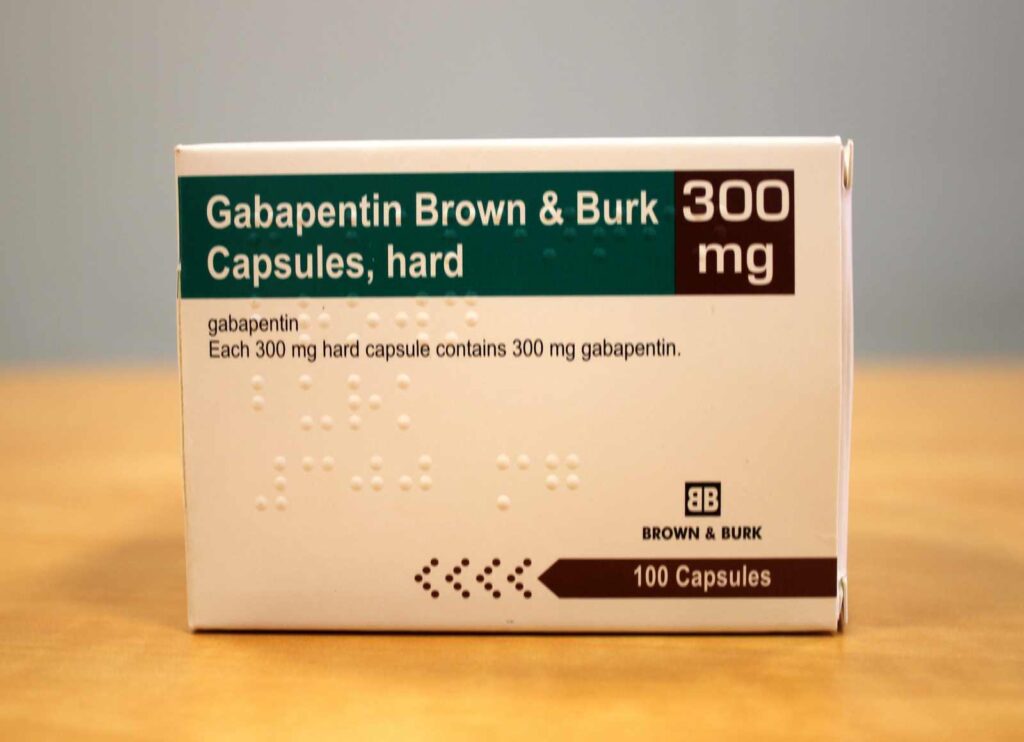
Gabapentin is a widely used medication that was originally developed as an anticonvulsant for epilepsy but has since become one of the most prescribed drugs for neuropathic pain and related conditions.
Despite being structurally similar to gamma-aminobutyric acid (GABA), gabapentin does not directly act on GABA receptors. Instead, it modifies neuronal calcium channel activity, thereby reducing abnormal nerve signaling responsible for seizures and chronic pain.
Gabapentin is considered safe, well-tolerated, and effective, making it a cornerstone therapy in neurology and pain medicine.
Pharmacological Classification
| Category | Details |
|---|---|
| Class | Anticonvulsant / Neuropathic pain agent |
| Schedule (in some countries) | Controlled (Schedule V – due to misuse potential) |
| Chemical Class | GABA analogue |
| Available forms | Capsules, tablets, oral solution |
| Common Brand Names | Neurontin®, Gralise®, Horizant® |
Mechanism of Action
Although gabapentin is a structural analogue of GABA, it does not bind to GABA-A or GABA-B receptors, nor does it affect GABA uptake or degradation.
Instead, gabapentin works by binding to the α2δ subunit of voltage-gated calcium channels (VGCCs) in the central nervous system.
Pharmacological Effects:
- Reduces calcium influx into presynaptic neurons.
- Decreases release of excitatory neurotransmitters such as glutamate, norepinephrine, and substance P.
- Stabilizes neuronal firing, reducing hyperexcitability in damaged or overactive neurons.
Result:
- Anticonvulsant effect (reduces seizure frequency)
- Analgesic effect (reduces neuropathic pain)
- Anxiolytic properties in some patients
Pharmacokinetics
| Parameter | Details |
|---|---|
| Absorption | Via L-amino acid transport system; bioavailability decreases with higher doses (60% at 300 mg → 30% at 1600 mg) |
| Onset of action | Within 1–3 hours |
| Peak plasma concentration | 2–3 hours post-dose |
| Distribution | Not protein-bound; crosses BBB |
| Metabolism | Not metabolized by the liver |
| Elimination | Excreted unchanged in urine |
| Half-life | 5–7 hours |
| Steady state | Reached within 1–2 days of regular dosing |
Therapeutic Uses
1. Epilepsy (Anticonvulsant Use)
- Adjunctive therapy in partial (focal) seizures with or without secondary generalization.
- Not typically used for primary generalized seizures.
2. Neuropathic Pain
- Diabetic neuropathy
- Postherpetic neuralgia (PHN)
- Peripheral nerve injury pain
- Spinal cord injury–related pain
3. Fibromyalgia
- Reduces pain and improves sleep and quality of life.
4. Restless Legs Syndrome (RLS)
- Gabapentin enacarbil (extended-release form) is approved for RLS.
5. Off-label Uses
- Anxiety disorders (especially social anxiety)
- Migraine prophylaxis
- Hot flashes (menopause or breast cancer treatment)
- Alcohol withdrawal or dependence
Dosage and Administration
For Epilepsy (Adults)
- Initial dose: 300 mg once daily
- Maintenance dose: 900–1800 mg/day in 3 divided doses
- Maximum: Up to 3600 mg/day (rarely needed)
For Neuropathic Pain
- Start: 300 mg once daily → titrate gradually
- Typical effective dose: 900–2400 mg/day in 3 doses
- Elderly or renal-impaired patients: Use lower doses and monitor closely.
For Postherpetic Neuralgia
- 300 mg on Day 1
- 300 mg twice daily on Day 2
- 300 mg three times daily on Day 3
- May increase as needed (maximum 1800 mg/day)
For Restless Legs Syndrome (Gabapentin enacarbil)
- 600 mg once daily (taken at 5 pm with food)
⚠️ Note: Gabapentin doses must be adjusted in renal impairment, as it is excreted unchanged by the kidneys.
Adverse Effects
| System Affected | Common Effects | Serious / Rare Effects |
|---|---|---|
| Central Nervous System | Drowsiness, dizziness, fatigue, ataxia | Tremor, blurred vision, confusion |
| Gastrointestinal | Nausea, vomiting, diarrhea | Weight gain, dry mouth |
| Psychiatric | Anxiety, mood changes | Suicidal ideation (rare) |
| Peripheral | Edema (ankle swelling) | Hypersensitivity reactions |
| Others | Tremor, double vision, unsteady gait | Myopathy, allergic rash |
Tolerance and Dependence
- Though originally considered non-addictive, gabapentin misuse has been reported, particularly in patients with a history of substance abuse.
- Misuse may cause euphoria, sedation, or dissociative sensations when combined with opioids.
- Always prescribe and monitor responsibly.
Drug Interactions
| Interacting Agent | Effect |
|---|---|
| Antacids (containing magnesium/aluminum) | Reduce gabapentin absorption (take ≥2 hours apart) |
| Opioids (e.g., morphine, fentanyl) | Increase CNS and respiratory depression risk |
| Alcohol or benzodiazepines | Additive sedation |
| CNS depressants | Enhanced drowsiness, dizziness |
Contraindications
- Known hypersensitivity to gabapentin
- Caution in patients with:
- Renal impairment
- Respiratory disorders
- Depression or suicidal ideation
Withdrawal and Discontinuation
Sudden discontinuation may cause:
- Anxiety
- Insomnia
- Nausea
- Pain rebound
- Seizure recurrence (in epilepsy patients)
Taper gradually over at least 1 week to avoid withdrawal symptoms.
Special Precautions
- Avoid driving or operating machinery until the individual response is known.
- Adjust dose in elderly and renal impairment.
- Monitor for mood changes or suicidal thoughts, especially in the first months.
- Do not stop abruptly after long-term use.
Overdose Symptoms
- Drowsiness
- Double vision
- Slurred speech
- Lethargy
- Diarrhea
Treatment: Supportive; hemodialysis may help in severe renal failure cases.
Pregnancy and Lactation
- Pregnancy: Category C (use only if benefit outweighs risk)
- Lactation: Excreted in breast milk; use with caution.
Patient Education Points
✅ Take at the same times daily.
✅ Do not stop suddenly without medical advice.
✅ Avoid alcohol or sedative combinations.
✅ Report any mood changes or suicidal thoughts.
✅ Store securely to prevent misuse.
Conclusion
Gabapentin is a versatile, effective, and generally well-tolerated medication for neuropathic pain, epilepsy, and related conditions. Its unique mechanism — binding to calcium channel subunits — provides significant symptom relief without directly influencing GABA receptors.
However, cautious titration, renal dose adjustment, and patient education are essential to minimize side effects and misuse. When used responsibly, gabapentin can dramatically improve quality of life in patients suffering from chronic pain and neurological disorders.