Introduction
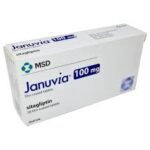
Januvia, also known by its generic name Sitagliptin phosphate, is an oral prescription medicine used to manage type 2 diabetes mellitus. It helps control blood sugar levels by improving how the body regulates insulin after eating. Correct dosing is essential for Januvia to work effectively and safely. This article provides detailed information about the recommended Januvia dosage, dose adjustments for kidney problems, and practical tips for proper administration.
Standard Januvia Dosage for Adults
The recommended dose of Januvia for adults with normal kidney function is 100 mg once daily.
- The tablet should be swallowed whole with water.
- It can be taken with or without food.
- It is usually taken at the same time each day to maintain consistent blood levels.
The 100 mg daily dose is designed to provide optimal blood sugar control without causing significant side effects.
Dosage Adjustment for Kidney Impairment
Because Sitagliptin is primarily excreted through the kidneys, dosage adjustments are necessary for patients with reduced kidney function.
Januvia dosage based on kidney function (eGFR):
- Normal kidney function (eGFR ≥ 90 mL/min/1.73 m2): 100 mg once daily
- Mild renal impairment (eGFR 60 to < 90): 100 mg once daily
- Moderate renal impairment (eGFR 30 to < 45): 50 mg once daily
- Severe renal impairment (eGFR < 30) or end-stage renal disease: 25 mg once daily
For patients on hemodialysis or peritoneal dialysis, the dose should not exceed 25 mg once daily. Januvia can be taken regardless of the timing of dialysis.
Important: Kidney function should be assessed before starting therapy and monitored periodically during treatment.
Dosage When Combined With Other Diabetes Medications
Januvia can be used alone or with other oral antidiabetic drugs such as metformin, sulfonylureas, thiazolidinediones, or insulin.
When combined with:
- Metformin: The usual dose remains 100 mg once daily. A fixed-dose combination tablet known as Janumet contains both Sitagliptin and Metformin.
- Sulfonylureas or Insulin: Dose of Januvia remains the same (100 mg once daily), but your doctor may reduce the dose of the other medication to minimize the risk of low blood sugar (hypoglycemia).
Dosage for Elderly Patients
Elderly patients can generally take the same dose as adults if kidney function is normal. However, because kidney function often declines with age, regular monitoring is recommended to ensure the correct dose.
Missed Dose
If a dose of Januvia is missed, take it as soon as you remember.
- If it is almost time for the next dose, skip the missed one and continue the regular schedule.
- Do not take a double dose to make up for a missed dose.
Overdose
If too much Januvia is taken, contact a doctor or go to the nearest emergency department immediately. Supportive care should be provided. Januvia can be removed by hemodialysis to some extent.
How to Take Januvia Correctly
- Take Januvia once daily, at the same time every day.
- It may be taken with meals or on an empty stomach.
- Swallow the tablet whole with a glass of water.
- Continue to follow your prescribed diet and exercise program.
- Monitor your blood sugar levels regularly.
- Never change your dose or stop taking the medicine without consulting your doctor.
Factors That Affect Januvia Dosage
Several factors influence how your doctor decides your Januvia dose:
- Kidney function: The main factor affecting dosage.
- Other medications: Some drugs may affect blood sugar levels or increase the risk of side effects.
- Overall blood sugar control: If blood sugar remains high despite 100 mg daily, your doctor may add another antidiabetic medication.
- Tolerance and side effects: If adverse effects occur, dose adjustment or alternative therapy may be considered.
Clinical Guidance and Monitoring
During Januvia therapy, your healthcare provider may:
- Monitor your HbA1c and fasting blood glucose levels to assess treatment effectiveness.
- Check renal function every 3 to 6 months.
- Evaluate for symptoms of pancreatitis, such as persistent severe abdominal pain.
- Adjust your overall diabetes management plan as needed.
Safety Precautions with Dosage
- Do not exceed the recommended dose.
- Inform your doctor about any existing kidney disease before starting treatment.
- Report any side effects such as abdominal pain, rash, or swelling.
- If you experience low blood sugar symptoms (shaking, sweating, dizziness), consult your doctor for dose review.
Example Dosage Table
| Patient Condition | eGFR (mL/min/1.73 m2) | Recommended Dose |
|---|---|---|
| Normal renal function | ≥ 90 | 100 mg once daily |
| Mild renal impairment | 60–89 | 100 mg once daily |
| Moderate renal impairment | 30–45 | 50 mg once daily |
| Severe renal impairment or ESRD | < 30 | 25 mg once daily |
Frequently Asked Questions
1. What is the usual starting dose of Januvia
The usual starting and maintenance dose for adults with type 2 diabetes is 100 mg once daily.
2. Can Januvia dosage be adjusted on my own
No. Dose adjustments should only be made by your healthcare provider based on kidney function and blood sugar response.
3. Should I take Januvia with food
It can be taken with or without food. Food does not affect how the medicine works.
4. What if I have kidney disease
Your doctor will lower the dose depending on the severity of kidney impairment. Regular kidney function tests are necessary.
5. How long does it take for Januvia to show results
You may see improvement in blood sugar levels within a few days, but consistent results may take several weeks.
6. Can Januvia dosage be different for elderly patients
Usually not, unless the patient has reduced kidney function, in which case the dose may need to be adjusted.
7. What happens if I accidentally take more than prescribed
Seek medical help immediately. Supportive treatment and monitoring are required.
Summary
The correct Januvia dosage depends primarily on kidney function and overall health condition. For most adults with type 2 diabetes, the standard dose is 100 mg once daily, taken with or without food. Patients with moderate or severe renal impairment need lower doses to avoid drug accumulation. Always take Januvia as directed by your doctor and maintain regular blood sugar and kidney monitoring for safe and effective treatment.
Proper dosage management helps maximize the benefits of Januvia, reduce side effects, and maintain long-term glucose control.