
Introduction
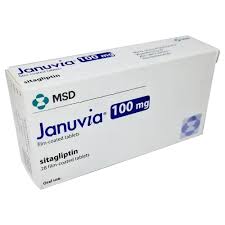
Januvia, also known by its generic name Sitagliptin phosphate, is a prescription oral medication used to manage type 2 diabetes mellitus. It belongs to the class of drugs called DPP-4 inhibitors (dipeptidyl peptidase-4 inhibitors). Januvia helps control blood sugar levels by increasing insulin release and reducing the amount of glucose produced by the liver.
Although Januvia is generally well tolerated, like all medications, it can cause side effects. These effects can range from mild and temporary to more severe or long-term complications. Understanding these potential reactions helps patients take Januvia safely and recognize when to seek medical care.
This article provides a detailed look at the common, severe, and long-term side effects of Januvia, along with management tips and precautions.
How Januvia Works
To understand its side effects, it’s helpful to know how Januvia functions in the body. Januvia works by blocking the enzyme DPP-4, which normally breaks down incretin hormones. These hormones help regulate blood sugar levels by:
- Increasing insulin release after meals
- Decreasing glucagon secretion (a hormone that raises blood sugar)
- Slowing the rate of glucose production in the liver
By maintaining incretin hormone activity longer, Januvia helps lower blood glucose, particularly after eating. However, these same pathways can sometimes cause unwanted effects in other body systems.
Common Side Effects of Januvia
Most people taking Januvia tolerate it well. However, some may experience mild or temporary side effects, particularly when they start treatment.
1. Headache
Headache is among the most frequently reported side effects. It usually occurs during the first few days of therapy and often resolves on its own. Staying hydrated and taking Januvia at the same time daily can help reduce headache frequency.
2. Upper Respiratory Tract Infection
Some users report mild cold-like symptoms, such as runny nose, sore throat, or nasal congestion. This may occur due to changes in immune response during therapy.
3. Stuffy or Runny Nose and Cough
Mild respiratory symptoms are common and typically resolve without treatment. If symptoms persist beyond a few days, medical advice is recommended.
4. Stomach Discomfort or Indigestion
Mild abdominal pain, bloating, or gas can occur, particularly when Januvia is taken without food. Taking it with a meal may reduce discomfort.
5. Joint or Muscle Pain
Some people experience mild joint stiffness or muscle pain, often temporary. If pain becomes severe or persistent, consult your doctor for evaluation.
6. Fatigue or Weakness
Fatigue may result from changes in blood sugar levels. Ensuring consistent meals and blood glucose monitoring helps prevent energy fluctuations.
7. Diarrhea or Constipation
Mild gastrointestinal symptoms can occur, especially at the start of therapy. They are usually temporary and can be managed by drinking fluids and maintaining a balanced diet.
Moderate Side Effects
Some side effects are less common but may require medical attention if they persist.
1. Nausea or Vomiting
While uncommon, some individuals may experience mild nausea when starting Januvia. Taking the medicine with food can help.
2. Skin Reactions
Rash, itching, or redness may occur. If the rash is severe or associated with swelling or breathing difficulty, seek medical attention immediately.
3. Dizziness
Occasional dizziness can occur due to blood sugar fluctuations. Monitor your glucose regularly and avoid skipping meals.
4. Swelling in Hands or Feet
Mild fluid retention can occur in some users. Persistent swelling should be evaluated by a healthcare provider.
5. Hypoglycemia (Low Blood Sugar)
Januvia alone rarely causes low blood sugar. However, when used with insulin or sulfonylureas, the risk increases. Symptoms include sweating, shaking, and rapid heartbeat.
Severe Side Effects of Januvia
Although rare, Januvia can cause serious side effects that require immediate medical attention.
1. Pancreatitis (Inflammation of the Pancreas)
This is the most serious potential side effect associated with Januvia.
Symptoms may include:
- Severe, persistent abdominal pain (may radiate to the back)
- Nausea or vomiting
- Loss of appetite
If these symptoms occur, stop taking Januvia and seek emergency care.
Why It Happens:
The exact mechanism is unclear, but DPP-4 inhibitors may affect pancreatic enzyme regulation, leading to inflammation in susceptible individuals.
2. Severe Allergic Reactions (Hypersensitivity)
Severe allergic reactions, including anaphylaxis and angioedema, have been reported.
Symptoms include:
- Swelling of the face, lips, tongue, or throat
- Difficulty breathing or swallowing
- Severe skin rash or hives
Stop Januvia immediately and seek emergency medical help if these symptoms occur.
3. Stevens-Johnson Syndrome (SJS)
A very rare but serious skin reaction that causes blistering, peeling, or rash spreading across the body. Medical emergency treatment is required.
4. Severe Joint Pain (Arthralgia)
The FDA has reported cases of severe and disabling joint pain in patients using DPP-4 inhibitors, including Sitagliptin. Symptoms may appear days to months after starting therapy and usually resolve after discontinuation.
5. Heart Failure Risk
Although rare, some studies suggest DPP-4 inhibitors may increase the risk of heart failure in susceptible patients, especially those with existing heart or kidney disease. Symptoms include:
- Shortness of breath
- Fatigue
- Swelling in legs or ankles
If these occur, seek immediate medical attention.
6. Kidney Problems (Renal Impairment)
In rare cases, Sitagliptin may worsen kidney function. Patients with existing kidney disease should use lower doses, and regular kidney function tests are recommended.
Long-Term Side Effects of Januvia
Long-term use of Januvia is generally considered safe when monitored properly. However, some possible long-term effects may develop in certain patients.
1. Gradual Decline in Kidney Function
Since Januvia is excreted through the kidneys, chronic use may contribute to mild kidney stress over time, particularly in patients with pre-existing renal disease. Regular kidney monitoring is essential.
2. Persistent Joint or Muscle Pain
Some patients report ongoing musculoskeletal discomfort even after months of therapy. Pain typically resolves after stopping the drug.
3. Increased Risk of Pancreatitis Recurrence
Patients who have experienced pancreatitis while on Januvia may have a higher risk of recurrence if re-exposed to the drug.
4. Possible Cardiovascular Risk
Although studies show mixed results, ongoing research is assessing whether long-term DPP-4 inhibitor use may slightly influence heart failure risk in certain populations.
5. Skin Sensitivity or Allergic Reactions
Rarely, patients may develop long-term skin sensitivity or recurring rashes.
Risk Factors for Side Effects
Some individuals are more likely to experience side effects from Januvia, including:
- Those with kidney impairment
- Patients with a history of pancreatitis
- Individuals taking multiple diabetes medications
- Elderly patients
- Those with heart disease or liver dysfunction
Your doctor may adjust your dose or recommend closer monitoring if you fall into any of these categories.
How to Manage Januvia Side Effects
1. Regular Monitoring
Check blood glucose and kidney function regularly. Notify your doctor if you notice any unusual changes.
2. Take With or Without Food as Tolerated
If you experience stomach upset, try taking the medication with a meal.
3. Stay Hydrated
Adequate hydration supports kidney health and helps prevent dizziness and fatigue.
4. Report Any Severe Symptoms
Abdominal pain, rash, or swelling should be reported immediately.
5. Never Stop Medication Without Medical Advice
Stopping Januvia suddenly can cause blood sugar spikes. Always consult your healthcare provider before making changes.
When to Call Your Doctor
Seek medical help right away if you experience:
- Severe abdominal pain or vomiting
- Signs of an allergic reaction
- Difficulty breathing or swallowing
- Swelling of face or throat
- Blistering or peeling skin
- Persistent fatigue or weakness
- Unexplained swelling in the legs or ankles
Clinical Safety Overview
Clinical trials show that Januvia is generally safe and effective when used as directed. Most side effects are mild and temporary. Serious events such as pancreatitis or allergic reactions occur in fewer than 1 percent of patients.
However, because type 2 diabetes is a long-term condition, continuous medical supervision is necessary to ensure safety and optimal results.
Frequently Asked Questions
1. What are the most common side effects of Januvia
The most common are headache, cold-like symptoms, and mild stomach discomfort.
2. Does Januvia cause low blood sugar
Not usually when used alone, but the risk increases if combined with insulin or sulfonylureas.
3. Can Januvia cause weight gain
Januvia is weight-neutral and does not typically cause weight gain.
4. Is pancreatitis a common side effect
No, pancreatitis is rare but serious. Seek medical help if you have severe abdominal pain.
5. Are long-term side effects of Januvia serious
Most patients tolerate long-term use well, but kidney and heart function should be monitored.
6. Does Januvia cause fatigue
Some users may feel mild fatigue, often due to changes in blood sugar rather than the drug itself.
7. What should I do if I experience side effects
Report them to your doctor. Do not stop taking the medicine without consulting your healthcare provider.
Summary
Januvia (Sitagliptin) is an effective and widely used medication for type 2 diabetes management. Most patients tolerate it well, but side effects can occur.
- Common side effects include headache, mild respiratory symptoms, and stomach upset.
- Severe side effects such as pancreatitis, allergic reactions, or joint pain are rare but require immediate attention.
- Long-term side effects may involve kidney strain or musculoskeletal pain in some individuals.
Proper dosing, medical supervision, and regular monitoring of kidney and blood sugar levels minimize these risks. Always take Januvia as prescribed and report any unusual symptoms to your healthcare provider promptly.
With careful management, Januvia remains a safe and effective option for controlling blood sugar in type 2 diabetes.
External Referances links
Full U.S. Prescribing Information PDF from Merck & Co., Inc. — “JANUVIA (sitagliptin) Tablets” (USA) merck.com+2FDA Access Data+2
Highlights of Prescribing Information on DailyMed (U.S. FDA-licensed) DailyMed
European Medicines Agency (EMA) product information for JANUVIA (EU) European Medicines Agency (EMA)+1
Information on risks & side-effects from the official JANUVIA website januvia.com+1
Summary of third-party medical article “Januvia (sitagliptin) – side effects, dosage, generics, and more” from Medical News Today Medical News Today