Introduction
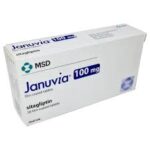
Januvia, also known by its generic name Sitagliptin phosphate, is a prescription oral medicine used to improve blood sugar control in adults with type 2 diabetes mellitus. It belongs to a class of drugs called DPP-4 inhibitors (dipeptidyl peptidase-4 inhibitors). This article provides the full prescribing information for Januvia, including its recommended dosage, contraindications, precautions, adverse reactions, and clinical considerations.
Drug Overview
Brand Name: Januvia
Generic Name: Sitagliptin phosphate
Dosage Form: Oral tablet
Strengths Available: 25 mg, 50 mg, and 100 mg tablets
Route of Administration: Oral
Drug Class: DPP-4 inhibitor (Dipeptidyl Peptidase-4 inhibitor)
Manufacturer: Merck
Indications and Usage
Januvia is indicated as an adjunct to diet and exercise to improve glycemic control in adults with type 2 diabetes mellitus.
It can be prescribed as:
- Monotherapy: When diet and exercise alone do not adequately control blood glucose.
- Combination therapy: With other oral antihyperglycemic agents such as metformin, sulfonylureas, thiazolidinediones, or insulin when additional glycemic control is needed.
Januvia should not be used for type 1 diabetes or for treating diabetic ketoacidosis.
Dosage and Administration
Recommended Dosage:
The standard dose is 100 mg once daily, taken with or without food.
Renal Dose Adjustment:
- For patients with normal kidney function (eGFR ≥ 90 mL/min/1.73 m2): 100 mg once daily.
- For patients with moderate renal impairment (eGFR 30 to 45 mL/min/1.73 m2): 50 mg once daily.
- For patients with severe renal impairment or end-stage renal disease (eGFR less than 30 mL/min/1.73 m2): 25 mg once daily.
Missed Dose:
If a dose is missed, take it as soon as remembered. Do not take two doses on the same day.
Contraindications
Januvia is contraindicated in the following situations:
- Patients with a known hypersensitivity to Sitagliptin or any component of the formulation.
- Patients with type 1 diabetes mellitus.
- Patients experiencing diabetic ketoacidosis.
Warnings and Precautions
1. Pancreatitis:
There have been reports of acute pancreatitis, including fatal and nonfatal hemorrhagic or necrotizing pancreatitis. Discontinue Januvia immediately if pancreatitis is suspected.
2. Hypoglycemia:
When used with insulin or sulfonylureas, the risk of hypoglycemia increases. Dose adjustment of the co-administered agent may be required.
3. Hypersensitivity Reactions:
Serious allergic reactions such as anaphylaxis, angioedema, and exfoliative skin conditions have been reported. Discontinue the medication if these occur.
4. Renal Impairment:
Kidney function should be assessed before starting therapy and monitored regularly. Dosage should be adjusted according to renal function.
5. Heart Failure:
Use caution in patients with a history of heart failure. Cases of heart failure have been reported when Januvia was used in combination with other DPP-4 inhibitors.
6. Arthralgia (Joint Pain):
Severe joint pain may occur and can begin from one day to years after starting therapy.
7. Bullous Pemphigoid:
There have been postmarketing reports of bullous pemphigoid requiring hospitalization. If suspected, discontinue Januvia.
Adverse Reactions
Clinical Trial Experience:
In clinical studies, the most commonly reported side effects were:
- Upper respiratory infection
- Nasopharyngitis
- Headache
Other Adverse Reactions:
- Nausea and stomach discomfort
- Diarrhea
- Rash
- Fatigue
- Peripheral edema
Serious but Rare Adverse Reactions:
- Acute pancreatitis
- Hypersensitivity reactions
- Kidney function changes
- Severe arthralgia
Drug Interactions
- Insulin and sulfonylureas: May increase the risk of hypoglycemia.
- Digoxin: Slight increase in digoxin levels may occur. Monitor digoxin levels if co-administered.
- Other antidiabetic drugs: Januvia can be safely combined with metformin, pioglitazone, or glimepiride under medical supervision.
Use in Specific Populations
Pregnancy:
There are no adequate studies in pregnant women. Januvia should be used during pregnancy only if the potential benefit justifies the potential risk to the fetus.
Lactation:
It is unknown if Januvia is excreted in human milk. Use with caution during breastfeeding.
Pediatric Use:
Safety and effectiveness have not been established in patients under 18 years of age.
Geriatric Use:
No overall differences in safety or effectiveness were observed, but greater sensitivity in some older individuals cannot be ruled out.
Overdosage
In case of overdose, supportive treatment should be provided. Sitagliptin is modestly removed by hemodialysis.
Clinical Pharmacology
Mechanism of Action:
Sitagliptin works by inhibiting the DPP-4 enzyme, thereby increasing the levels of incretin hormones such as GLP-1 and GIP. These hormones stimulate insulin release and decrease glucagon secretion, which lowers blood sugar levels.
Pharmacokinetics:
- Absorption: Rapidly absorbed after oral administration.
- Peak concentration: Within 1 to 4 hours after dosing.
- Half-life: Approximately 12 hours.
- Excretion: Primarily eliminated by the kidneys.
Nonclinical Toxicology
No evidence of carcinogenicity or mutagenicity was observed in animal studies. Sitagliptin did not impair fertility in male or female rats at doses up to 125 times the human exposure.
Patient Counseling Information
Patients should be informed about:
- The importance of adhering to prescribed diet and exercise programs.
- Recognizing signs of hypoglycemia, such as sweating, tremor, or dizziness.
- Notifying their doctor immediately if symptoms of pancreatitis occur (severe abdominal pain).
- Informing healthcare providers of any allergies or adverse reactions.
- Regular monitoring of blood sugar levels and kidney function.
Storage and Handling
Store Januvia tablets at room temperature between 20°C and 25°C (68°F and 77°F). Protect from moisture and light. Keep out of reach of children.
Summary of Key Prescribing Points
- Januvia is indicated for the treatment of type 2 diabetes mellitus.
- Recommended dose is 100 mg once daily.
- Adjust dose based on kidney function.
- Contraindicated in patients with type 1 diabetes or ketoacidosis.
- Monitor for pancreatitis, renal impairment, and hypoglycemia.
- Can be used alone or with other oral antidiabetic medications.