
Introduction
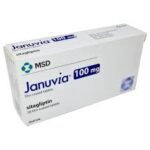
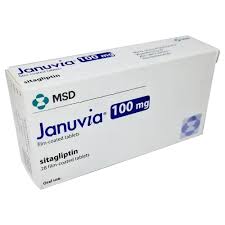
Januvia, also known by its generic name Sitagliptin phosphate, is a prescription medication used to manage type 2 diabetes mellitus. It belongs to a class of drugs called DPP-4 inhibitors, which help regulate blood sugar by increasing insulin production and decreasing glucose output from the liver.
Many people take Januvia for long-term blood sugar control, but some patients may consider stopping it due to side effects, cost, or a change in treatment plan. Understanding what happens when you discontinue Januvia and how to manage possible withdrawal effects is essential for maintaining safe and effective diabetes management.
Can Januvia Cause Withdrawal Symptoms
Januvia is not addictive, and it does not cause physical withdrawal symptoms in the same way that certain other medications (like opioids or antidepressants) do.
However, stopping Januvia suddenly can lead to significant changes in blood sugar levels because the body loses the medication’s glucose-regulating effect. This is sometimes referred to as a withdrawal effect in a functional sense — not due to chemical dependence, but due to a loss of blood sugar control.
What Happens If You Stop Taking Januvia
When Januvia is discontinued, several things may occur depending on your blood sugar control, diet, and whether other diabetes medications are continued.
1. Rise in Blood Sugar Levels
Januvia works by increasing insulin release and reducing glucose production after meals. Once the medicine is stopped, your body may have difficulty maintaining normal glucose levels, leading to hyperglycemia.
2. Increased Fatigue and Thirst
High blood sugar levels can cause fatigue, excessive thirst, and frequent urination.
3. Return of Diabetes Symptoms
Symptoms such as blurred vision, slow-healing wounds, or tingling in hands and feet may reappear as blood glucose levels rise.
4. HbA1c Increase Over Time
Without Januvia, your HbA1c (a long-term measure of blood sugar control) may gradually increase if not managed through diet, exercise, or alternative therapy.
5. Risk of Complications
Poorly controlled diabetes can lead to serious complications over time, including kidney damage, nerve issues, and cardiovascular problems.
When Might a Doctor Recommend Stopping Januvia
Your healthcare provider may decide to stop Januvia for several medical reasons, such as:
- Ineffective blood sugar control: If Januvia no longer maintains desired glucose levels.
- Adverse effects: Such as pancreatitis, severe allergic reaction, or joint pain.
- Kidney problems: Since Sitagliptin is cleared by the kidneys, dose adjustment or discontinuation may be necessary in severe renal impairment.
- Transition to insulin or another oral drug: In some cases, switching to another therapy may provide better glucose control.
Always consult your healthcare provider before stopping or changing your dose.
How to Safely Stop Taking Januvia
If your doctor recommends discontinuing Januvia, the process should be gradual and medically supervised.
Steps for safe withdrawal:
- Consult your doctor: Never stop on your own. Your doctor may prescribe an alternative medication.
- Monitor blood sugar: Check fasting and post-meal glucose levels daily during the transition.
- Adjust diet and exercise: Follow a controlled meal plan and regular physical activity to prevent sugar spikes.
- Introduce a replacement medication: Often, another oral antidiabetic such as metformin, glimepiride, or empagliflozin is introduced to maintain control.
- Regular follow-up: Schedule follow-ups every 1–2 weeks initially to monitor stability.
Rebound Hyperglycemia
Rebound hyperglycemia refers to a sharp rise in blood glucose levels after discontinuing a diabetes medication like Januvia.
Symptoms of rebound hyperglycemia:
- Increased thirst and urination
- Blurred vision
- Fatigue or headache
- Difficulty concentrating
- Slow healing of cuts or infections
If you notice these signs after stopping Januvia, contact your healthcare provider immediately. Adjusting therapy quickly helps avoid long-term complications.
Can You Restart Januvia After Stopping
Yes, in most cases, Januvia can be restarted if blood sugar levels become uncontrolled after discontinuation — unless it was stopped due to severe side effects like pancreatitis or hypersensitivity.
If your doctor decides to restart Januvia:
- The usual dose is 100 mg once daily (adjusted for kidney function).
- It may take a few days to stabilize glucose levels again.
- Continue routine monitoring and maintain dietary control.
Common Reasons Patients Stop Taking Januvia
- Side effects: Though generally well-tolerated, some patients experience headaches, nausea, or joint pain.
- Cost: Januvia is a brand-name drug, and long-term treatment may be expensive without insurance coverage.
- Therapeutic change: Doctors may switch to combination therapy for better control.
- Medical contraindications: Kidney impairment or history of pancreatitis may require discontinuation.
Key Tips During Januvia Withdrawal
- Never stop taking the medicine without medical advice.
- Monitor blood sugar closely during the transition period.
- Eat a balanced diet low in refined sugars and processed foods.
- Stay hydrated and maintain physical activity.
- Inform your doctor if symptoms of high blood sugar return.
- Do not double your dose if you restart — follow medical guidance.
Possible Alternatives to Januvia
If you and your doctor decide to discontinue Januvia, other antidiabetic medications may be prescribed, such as:
- Metformin: First-line therapy for type 2 diabetes.
- Glimepiride or Gliclazide: Sulfonylureas that stimulate insulin release.
- Empagliflozin or Dapagliflozin: SGLT2 inhibitors that remove sugar through urine.
- Pioglitazone: Improves insulin sensitivity.
- GLP-1 agonists (e.g., liraglutide): Injectable options for improved glucose control and weight loss.
Clinical Monitoring After Discontinuation
Even after stopping Januvia, ongoing diabetes monitoring remains critical. Your doctor may recommend:
- Fasting and postprandial glucose tests every few days initially.
- HbA1c testing every 3 months.
- Kidney function tests if you have renal impairment.
- Blood pressure and cholesterol monitoring to prevent cardiovascular complications